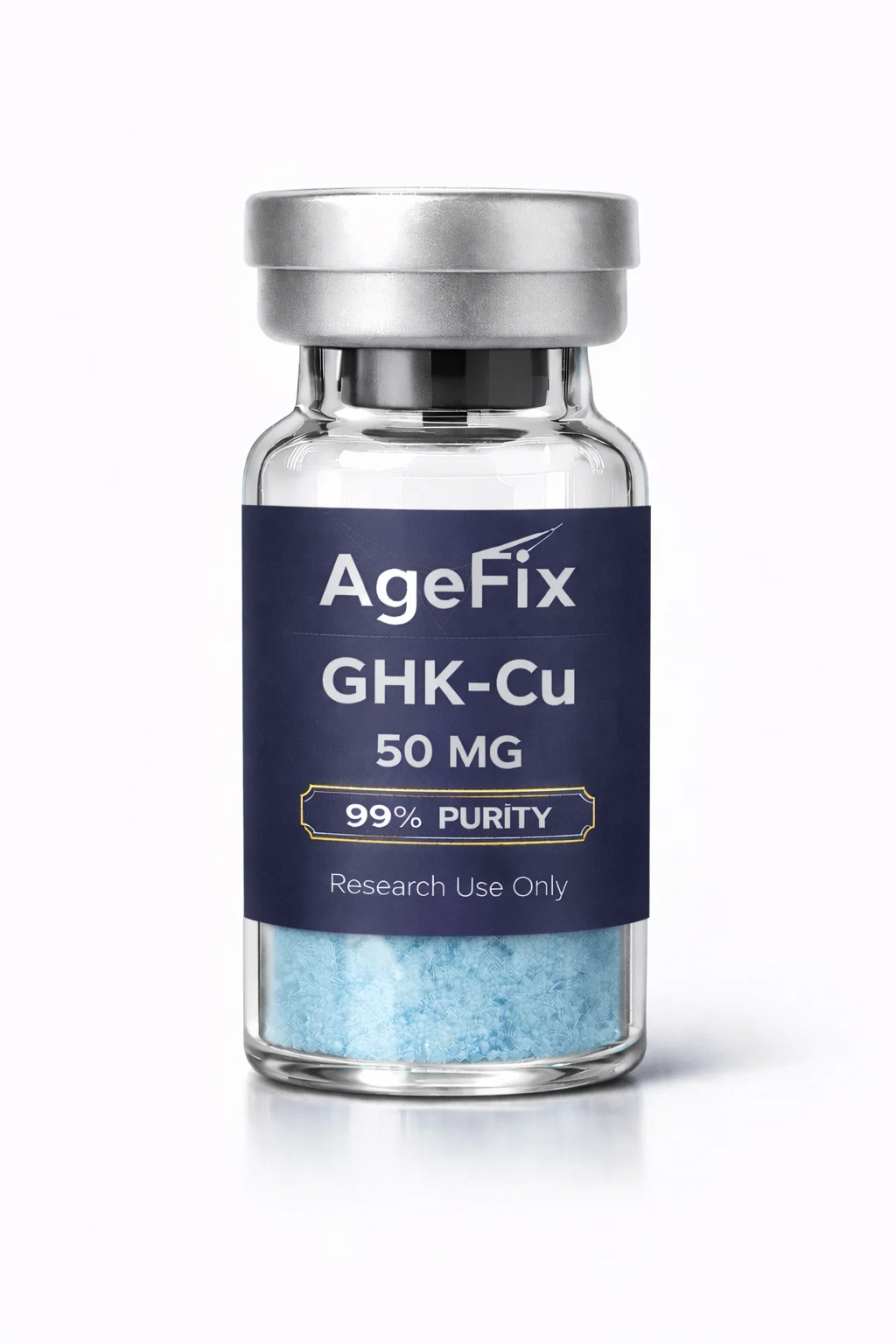
$ 49 / 50mg
999 in stock (can be backordered)
GHK-Cu (Glycyl-L-Histidyl-L-Lysine Copper) is a naturally occurring copper-bound tripeptide studied extensively for its role in collagen remodeling, wound healing, angiogenesis, and hair-follicle signaling. First identified in human plasma, GHK-Cu peptide has been the subject of over 100 published studies examining its broad regenerative and anti-inflammatory properties across multiple tissue types.
GHK-Cu peptide exerts its effects through multiple pathways: it delivers bioavailable copper to cells (essential for lysyl oxidase and collagen cross-linking), upregulates decorin and other extracellular matrix components, and modulates gene expression related to tissue remodeling. Research has shown it stimulates collagen I and III synthesis, promotes angiogenesis via VEGF upregulation, and supports hair-follicle growth in dermal papilla cell models.
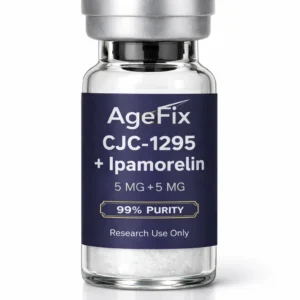
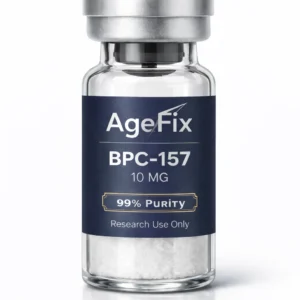
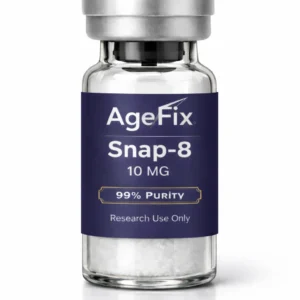
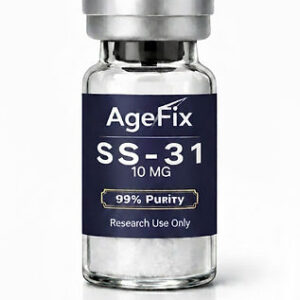
Researchers studying skin and tissue regeneration often explore GHK-Cu alongside BPC-157 for gastric-peptide-based tissue repair, Snap-8 for expression-line reduction research, and Melanotan I for melanocyte-activation studies in dermatological models.
Each vial contains GHK-Cu peptide manufactured in the USA under ISO-certified conditions. Verified to ≥99% purity by HPLC analysis, with endotoxin screening below 0.1 EU/mg. Certificate of Analysis (COA) available upon request. For laboratory research use only.
Lyophilized GHK-Cu peptide should be stored at -20°C in a sealed container protected from light and moisture to maintain long-term stability. For reconstitution, use bacteriostatic water and gently swirl the vial until the powder is fully dissolved — never shake. Once reconstituted, store at 2–8°C (standard laboratory refrigeration) and use within 28 days. The copper-peptide complex is stable in aqueous solution under proper refrigeration, but researchers should avoid repeated freeze-thaw cycles by preparing single-use aliquots. Always use sterile technique when withdrawing from reconstituted vials. For research use only.
GHK-Cu was first identified in 1973 by Loren Pickart at the University of California, San Francisco, during studies on human plasma factors that promoted hepatocyte proliferation. Pickart observed that a low-molecular-weight fraction of human albumin contained a copper-binding tripeptide with potent tissue-remodeling activity. Since this initial discovery, GHK-Cu has been the subject of over 100 peer-reviewed publications indexed in PubMed. Broad gene-expression studies at the Broad Institute demonstrated that GHK-Cu modulates over 4,000 human genes, many involved in tissue repair, anti-oxidant defense, and stem-cell biology. Research groups at Seoul National University, the University of British Columbia, and various dermatology-focused institutions have published extensively on its extracellular matrix effects. GHK-Cu remains one of the most studied naturally occurring peptides in regenerative biology research. All referenced work pertains to preclinical and laboratory settings.
AgeFix GHK-Cu is verified to ≥99% purity by HPLC analysis and undergoes endotoxin screening to confirm levels below 0.1 EU/mg. Each batch is manufactured in the USA under ISO-certified conditions, with a Certificate of Analysis (COA) available upon request.
GHK-Cu is one of few peptides that delivers bioavailable copper directly to cells, activating copper-dependent enzymes like lysyl oxidase that are essential for collagen cross-linking. Its ability to modulate over 4,000 genes involved in tissue remodeling gives it a uniquely broad regenerative profile compared to single-pathway peptides in research models.
GHK-Cu should be reconstituted with bacteriostatic water by gently swirling until fully dissolved. Store reconstituted GHK-Cu at 2–8°C and use within 28 days. This product is for laboratory research use only and is not intended for human use.
We use cookies to enhance your browsing experience, provide personalized content, and improve site performance. For the best experience, please keep your browser up to date — latest browser update.