$ 149 / 10mg
999 in stock (can be backordered)
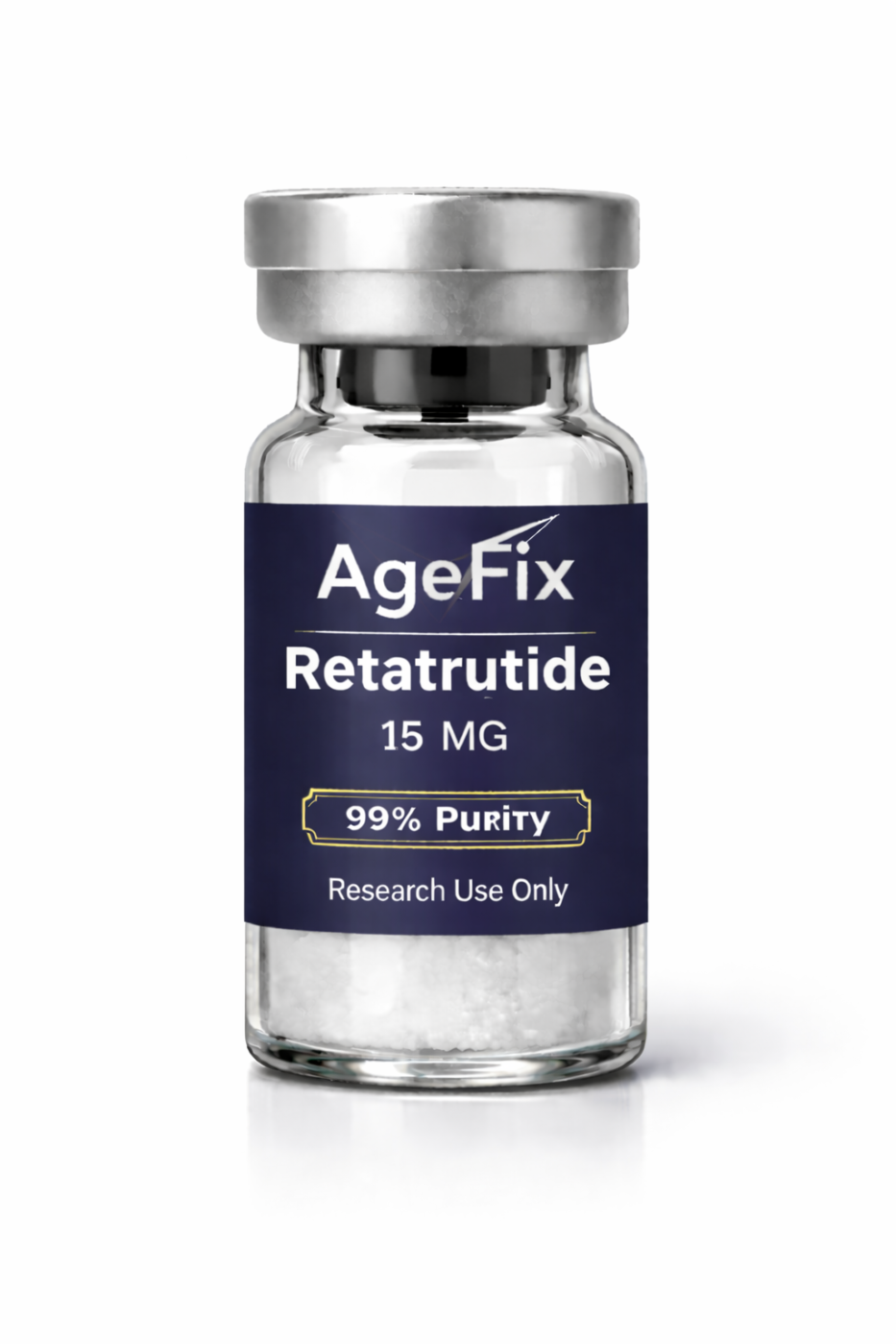
Retatrutide is a next-generation tri-agonist peptide that simultaneously activates three key metabolic receptors: GLP-1, GIP (glucose-dependent insulinotropic polypeptide), and glucagon. This triple-pathway mechanism represents the most comprehensive receptor-activation profile among currently studied metabolic peptides. Retatrutide peptide has generated significant research interest for producing the largest body-weight reductions observed in clinical metabolic studies to date.
Retatrutide peptide activates three distinct receptor pathways: GLP-1R (promoting satiety, enhancing insulin secretion, and slowing gastric emptying), GIPR (potentiating incretin signaling and improving glucose tolerance), and GCGR (stimulating hepatic lipolysis, thermogenesis, and energy expenditure). This triple activation creates overlapping and synergistic metabolic effects that exceed the results seen with single or dual-agonist compounds in preclinical and clinical models.
For comparative metabolic research, Survodutide and Mazdutide offer dual GLP-1/glucagon agonism, while Cagrilintide targets the amylin pathway. AOD9604 provides a GH-fragment approach to fat metabolism for distinct-mechanism comparison.
Each vial contains Retatrutide peptide manufactured in the USA under ISO-certified conditions. Verified to ≥99% purity by HPLC analysis, with endotoxin screening below 0.1 EU/mg. Certificate of Analysis (COA) available upon request. For laboratory research use only.
Lyophilized Retatrutide peptide should be stored at -20°C in a sealed container protected from light and moisture to preserve long-term stability. For reconstitution, use bacteriostatic water and gently swirl the vial until fully dissolved — never shake. Once reconstituted, store at 2–8°C (standard laboratory refrigeration) and use within 28 days. Due to the complexity of this tri-agonist peptide, researchers should avoid repeated freeze-thaw cycles by preparing single-use aliquots where practical. Always use sterile technique when withdrawing from reconstituted vials. For research use only.
Retatrutide (also known as LY3437943) was developed by Eli Lilly and Company as part of a new class of multi-receptor agonist peptides designed to engage three metabolic pathways simultaneously. Initial preclinical characterization was published in the early 2020s, with Phase 1 and Phase 2 clinical data presented at meetings of the American Diabetes Association and the European Association for the Study of Diabetes. The compound has been the subject of growing research interest, with publications in high-impact journals examining its tri-agonist pharmacology and metabolic effects. Research groups at Indiana University, the Helmholtz Zentrum München, and the University of Cincinnati have contributed to the understanding of multi-incretin receptor biology that underpins Retatrutide’s mechanism. It represents the most recent evolution in incretin-based compound design, building on earlier GLP-1 and dual-agonist research. All referenced work pertains to preclinical and controlled research settings.
AgeFix Retatrutide is verified to ≥99% purity by HPLC analysis and screened for endotoxins to confirm levels below 0.1 EU/mg. It is manufactured in the USA under ISO-certified conditions, with a Certificate of Analysis (COA) available upon request for research documentation.
Retatrutide activates three receptors (GLP-1, GIP, and glucagon) simultaneously, while dual-agonist compounds like Survodutide target only two pathways. This triple-agonist profile has shown the most substantial body-weight changes observed in preclinical and clinical metabolic research to date, making it a key compound for comparative receptor pharmacology studies.
Lyophilized Retatrutide should be stored at -20°C for long-term stability. Once reconstituted with bacteriostatic water, it should be refrigerated at 2–8°C and used within 28 days. This product is intended for laboratory research use only.
We use cookies to enhance your browsing experience, provide personalized content, and improve site performance. For the best experience, please keep your browser up to date — latest browser update.